





Urban water systems management: A data analytics approach EP 105
BRE (Building Research Establishment) is an independent, research-based consultancy, testing and training organisation, operating in the built environment and associated industries.
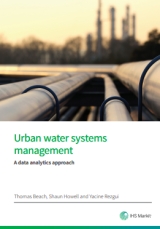
On 10 April 2018, BRE published Urban water systems management: A data analytics approach (EP 105), by Tom Beach, Shaun Howell and Yacine Rezgui.
The adoption of new information communication technology (ICT) to enable water network operators to intelligently monitor, analyse real-time information, and take appropriate actions, is seen as a key way of reducing the strain on urban water systems.
To this end, the water industry has begun a transformation through the use of smart systems. A big part of this is the increased adoption of sensors analytics software, and decision support tools. However, current smart systems technologies are severely lacking in integration between their different elements. Furthermore, they lack the ability to contextualise the large amount of data collected from urban water systems in a way that promotes scalability, portability and future adaptability.
This 44-page publication proposes an intelligent solution using the Internet of Things, AI, and the semantic web, to achieve an efficient and scaleable use of large scale data in urban water systems.
Its contents are:
- Glossary.
- Executive summary.
- Introduction.
- Background to urban water systems and semantics.
- Data management in urban water systems.
- Using managed data to deliver analytics.
- A methodology for urban water analytic deployment.
- Conclusions.
- References.
[edit] Related articles on Designing Buildings Wiki
- BRE articles on Designing Buildings Wiki.
- BRE Buzz articles on Designing Buildings Wiki.
- BRE Buzz.
- BREEAM Surface water run-off.
- Building Research Establishment.
- Integrated water management.
- Passive water efficiency measures
- Rainwater harvesting.
- Sustainable urban drainage systems.
- Sustainable water.
- Trading systems for water resources.
- Types of water.
- Water.
Featured articles
Check out some of the best features and news from Designing Buildings as well as key stories from around the web.

CIOB celebrates positive Ofsted report.

The Building Safety Regulator announces a call for evidence.

Government approach could undermine delivery and regeneration.
World's first mass timber data centre.

The overlooked environmental aspect of data centre development.
Introduction to radon awareness

New technical information sheet published by CIOB.

Updated supplier guide can help electrical contractors engage with NHP.

CIAT confirm the winners of the 2026 architectural technology awards.

Government launches a one stop shop for flood preparedness.

Sir Edwin Lutyens: Britain's greatest architect? Book review.

CIOB publishes free template to help assess and manage risks.
ECA's reflections on Party Conference season

Burnham wants to be confident of winning before asking for a fresh mandate.
New Chief Construction and Scientific Adviser

Sergio Cavalaro, Professor of Infrastructure Systems at Loughborough University.